


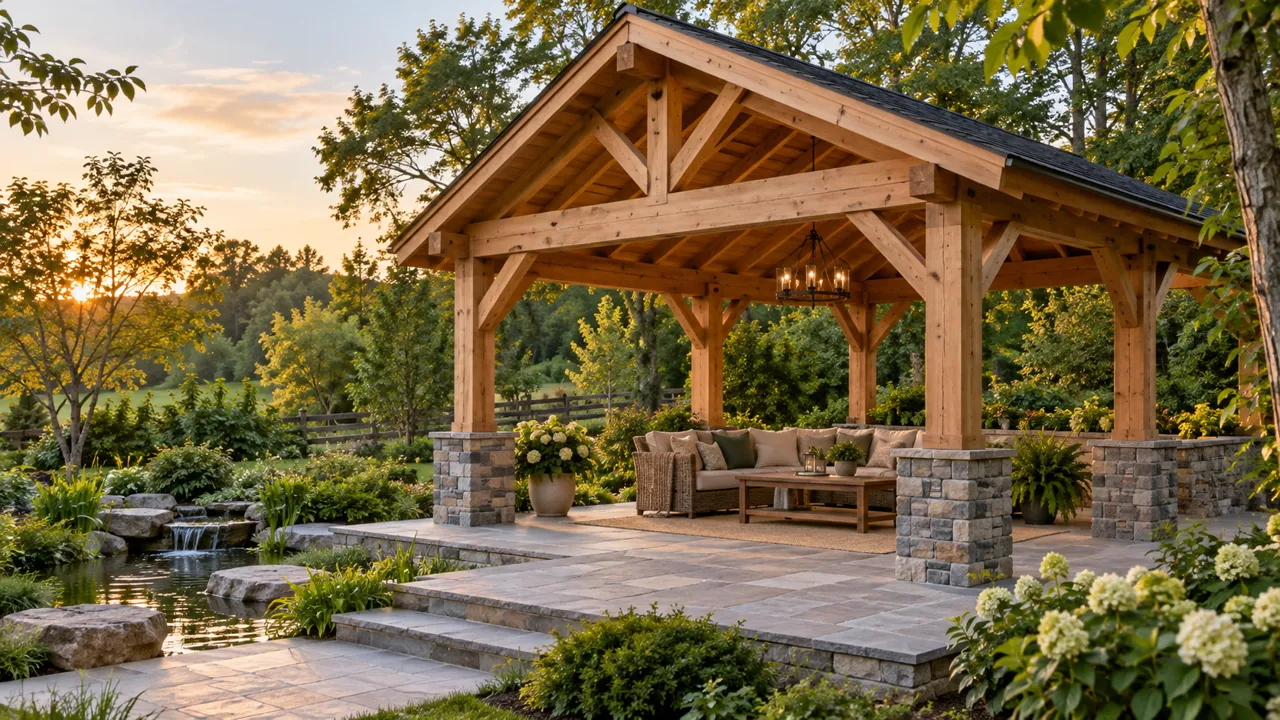
A windstrebe is a wind brace: a member used to help stabilise a frame against sideways movement. The German term appears in timber construction, greenhouse spare-parts catalogues and outdoor structure descriptions. Its exact shape depends on the system, so the name alone does not identify a universal replacement part.
If you have found windstrebe in an assembly manual or building description, start by identifying the structure. A diagonal timber in an old roof and a slim aluminium greenhouse component can share the same broad purpose without being interchangeable.
What Does Windstrebe Mean?
In construction language, windstrebe refers to bracing associated with resistance to wind-related movement. The important idea is stability: the brace works with the surrounding frame and its connections rather than acting as an independent support.
A useful historical example appears in the Canton of Aargau’s timber building inventory, which describes a windstrebe providing longitudinal stiffening in a traditional roof structure. This illustrates a real use of the term rather than a new product category invented for online shopping.
Windstrebe at a Glance
| Context | What windstrebe may describe | Main check |
|---|---|---|
| Traditional roof | Timber bracing member | Original arrangement and condition |
| Greenhouse | Model-specific metal brace | Manual and component number |
| Outdoor shading | Brace in a proprietary frame | Manufacturer’s system details |
Why Diagonal Bracing Matters
Imagine a rectangular frame with joints that allow it to move. Without sufficient restraint, it can lean sideways and change shape. Bracing helps restrain that movement by connecting parts of the frame along a diagonal or another designed load path.
This is a simple explanation of the principle, not a structural calculation. The performance of a windstrebe depends on its material, dimensions, connections and the structure around it. A strong-looking brace with inadequate end connections does not automatically make a structure stable.
For a homeowner, the practical lesson is to view the windstrebe as part of a complete assembly. Posts, beams, roof members, fixings and foundations all have roles. Replacing one item requires understanding how it belongs in that assembly.
Where Will You Find a Windstrebe?
Timber Frames and Roofs
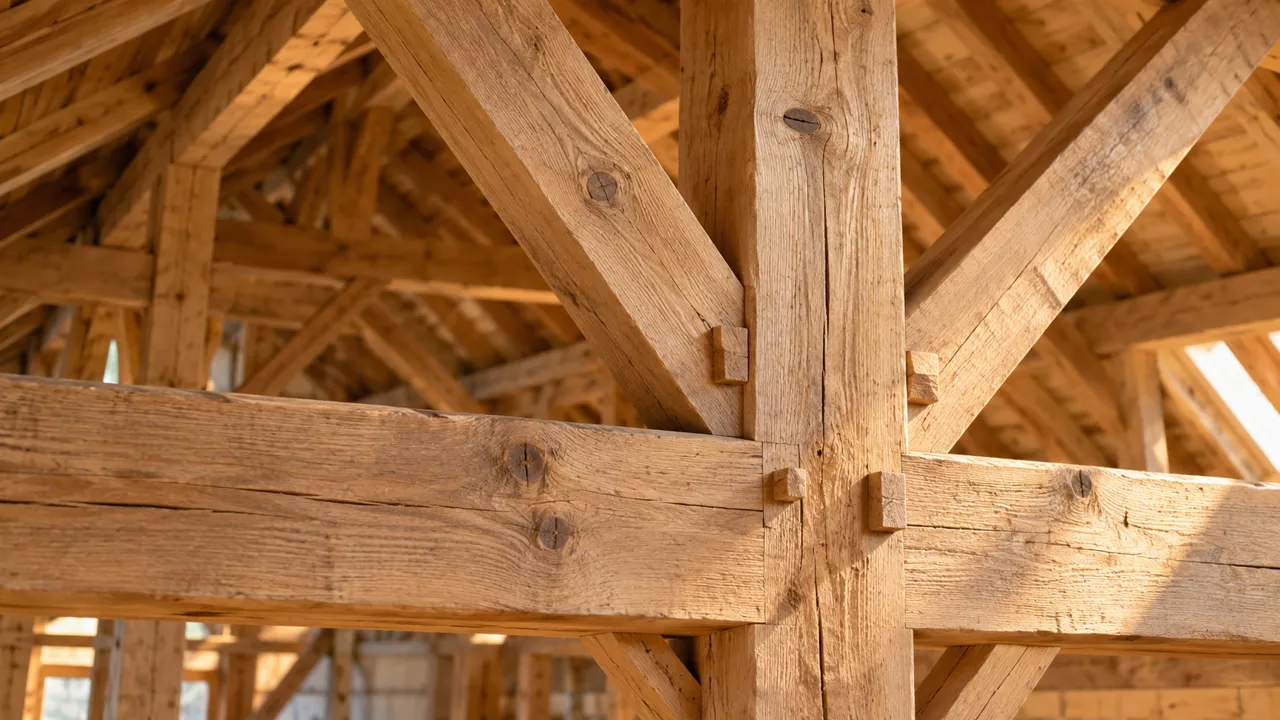
Traditional timber framing uses diagonal members in several arrangements. Some connect posts and beams; others contribute to roof bracing. Historical terminology varies by region and building type, so the drawing and position are often more helpful than a translated name alone.
A windstrebe shown in an old roof survey should therefore be understood in its original context. It may describe an existing historical component rather than a part that can be ordered from a modern hardware catalogue.
Greenhouses
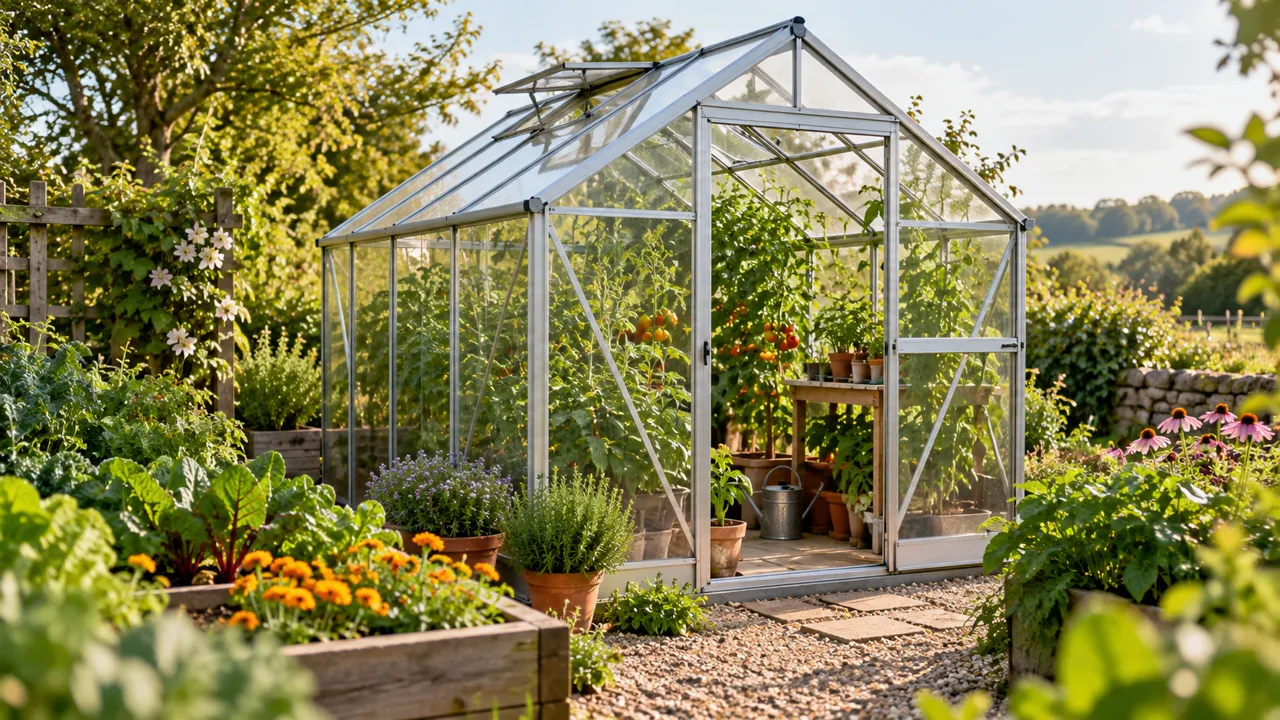
Modern greenhouse suppliers also use the term. Vitavia’s aluminium greenhouse brace listing identifies a specific windstrebe by component number, dimensions, material and finish.
That detail is useful when replacing a missing or damaged part. Match the greenhouse model and manual reference as well as the visible shape. Similar-looking braces can differ in length, profile or connection positions.
Pergolas and Awnings
The term also appears in outdoor shading systems. Lamberg’s pergola awning description includes a windstrebe in its explanation of the product’s construction. This is a product-specific arrangement, not a rule that every pergola uses the same brace.
If you are comparing garden shade options, our outdoor umbrella guide explores a different type of shading product. Keep each product’s installation and operating requirements separate.
Choosing the Correct Windstrebe
Begin with identification. Find the manufacturer’s name, model, approximate age and assembly manual. Photograph the existing part and the places where it connects. If the brace is missing, photograph the complete frame and the relevant diagram instead.
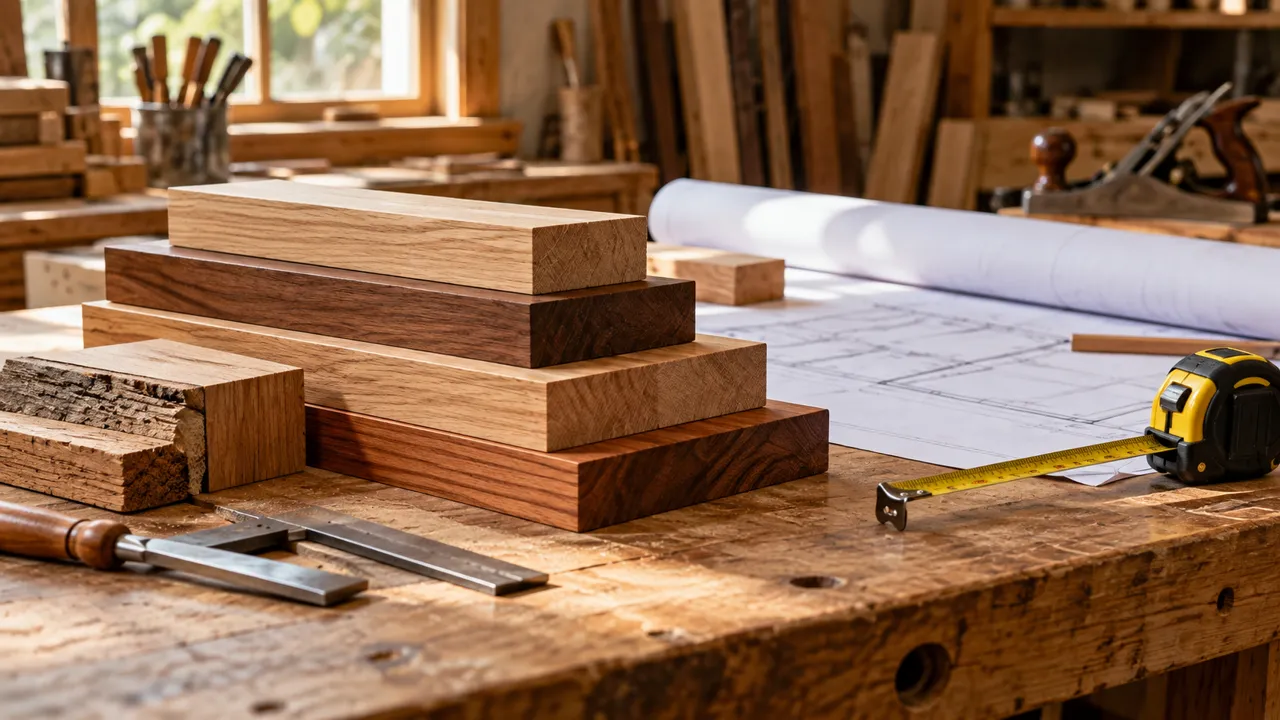
Next, compare the actual specification. A windstrebe description may include a part number, length, cross-section, material and coating. Treat the part number as a starting point, then confirm compatibility with the supplier.
Finally, ask what comes with the replacement. A listing for the brace may not include the required bolts, brackets or other fittings. Confirming that before ordering avoids receiving a component that cannot be installed as intended.
Colour is a finishing detail, not proof of compatibility. Two white metal braces can be designed for entirely different structures. Likewise, a longer brace should not be cut down simply because its material appears similar.
Timber, Metal and Tension Bracing
Bracing systems can use timber members, metal profiles or tension elements. Their connection details and structural behaviour differ. The word windstrebe does not tell you whether a particular member is intended to act in tension, compression or another designed arrangement.
That is why a timber diagonal should not be replaced with a cable solely because both run between the same points. A proposed substitution needs a system-specific assessment. For a manufactured kit, use its approved replacement information; for a building alteration, obtain appropriate professional advice.
Questions to Ask Before Changing a Brace
Ask whether the windstrebe is original, whether it has been altered, and whether the surrounding frame has moved or deteriorated. A damaged brace may be one part of a wider problem rather than the only item needing attention.
Check the documentation for the whole structure. Do not infer a safe wind speed from the presence of a brace, and do not remove one merely to create more headroom or a cleaner appearance. The article explains terminology; it does not supply a design or installation specification.
For more home and outdoor explainers, browse our Lifestyle section.
Windstrebe FAQs
Is windstrebe a brand?
It is a German construction term. Different suppliers can use it for different bracing components.
Does every windstrebe look the same?
No. Historical timber members and modern metal components can differ substantially in shape, dimensions and connections.
Can I buy a replacement by length alone?
Length is only one factor. Confirm the model, part reference, profile and fixing arrangement before ordering.
Does a windstrebe make a greenhouse storm-proof?
No such conclusion follows from the name. The complete structure, anchoring, installation and manufacturer’s stated limits matter.
Can a windstrebe be decorative?
A visible brace may contribute to the appearance of a structure, but its appearance does not establish whether it is structural. Check before altering it.
Identify the System Before the Part
The most useful way to understand windstrebe is to connect the word with its context: a brace, a particular frame and a defined purpose. Use the manual or building documentation to identify the component, then verify the matching specification.
Images are AI-generated construction concepts, not installation drawings or photographs of the cited products.

2 Comments
Pingback: Werfnetten Explained: Site Mesh Uses and Selection Guide
Pingback: Nahttypen Explained: Seam Types, Uses and Sewing Choices