



Kalil Vieljeux is listed as CEO of BD Barcelona, the furniture and design company associated with Barcelona’s creative scene. That is the clearest starting point for a public profile: a professional role confirmed by the organisation itself, supported by a separate corporate record documenting formal appointments.
This article examines what those sources establish and the design context around his work. It does not invent a birth date, family background, salary or net worth. Information was checked on 20 October 2026. Images are AI-generated design concepts, not portraits of Kalil Vieljeux, photographs of his workplace or authenticated BD products.
Kalil Vieljeux at a glance
| Detail | Verified public information |
|---|---|
| Professional name | Kalil Vieljeux |
| Current company listing | CEO, BD Barcelona |
| Name in the cited corporate notice | Kalil Christian Vieljeux |
| Company named in that notice | BD Barcelona 1972 SL |
| Registration date shown for the appointment | 6 November 2025 |
| Company context | Furniture design, contemporary collections and historical re-editions |
| Personal financial information | No verified net-worth or salary figure established for this guide |
What BD Barcelona confirms about Kalil Vieljeux
The BD Barcelona company and team page names Kalil Vieljeux as CEO. It separately identifies a chairman and directors responsible for areas including brand, design, sales, finance and operations. That distinction matters: a chief executive’s role should not be confused with personally designing every object in a catalogue.
A company team page is a primary source for how an organisation presents its leadership. It is not, by itself, a complete career history or an independent evaluation of someone’s achievements. The responsible approach is to report the role precisely and avoid adding a success story that the source does not document.

The corporate record adds a dated reference
Spain’s BORME notice for BD Barcelona 1972 SL records Kalil Christian Vieljeux under appointments as consejero and cons. del. sol. The entry gives a registration date of 6 November 2025. It appears in the official bulletin dated 14 November 2025.
Those entries document formal corporate positions. They should not be stretched into unsupported claims about when he first joined the business, the size of his shareholding or his compensation. The current company page and the dated notice answer related but different questions: one identifies the publicly listed CEO, while the other records specified appointments.
When reading a business profile, keep the company’s legal name alongside its public brand name. This helps avoid mixing records belonging to similarly named organisations. It also makes later updates easier to check without relying on a biography that may have copied an earlier article.
The design company behind the job title
BD describes its origins in 1972, when architects and designers in Barcelona established a business to produce and market designs with creative independence. Its current account describes collective ownership involving people and organisations from architecture, publishing and design. That background places the company beyond the narrow idea of a conventional furniture shop.
For readers interested in Kalil Vieljeux, the important context is the kind of business he leads. A design company can work across creative authorship, production, distribution and communication. A chair’s appearance is only one part of that chain; drawings, materials, manufacturing choices and the information supplied to buyers also shape how a design reaches the world.
These are general features of the sector, not a claim that Vieljeux personally performs each task. Keeping that boundary clear makes a professional profile more informative: the company’s work provides context without being turned into an undocumented list of individual accomplishments.
Why Gaudí’s furniture matters to the context
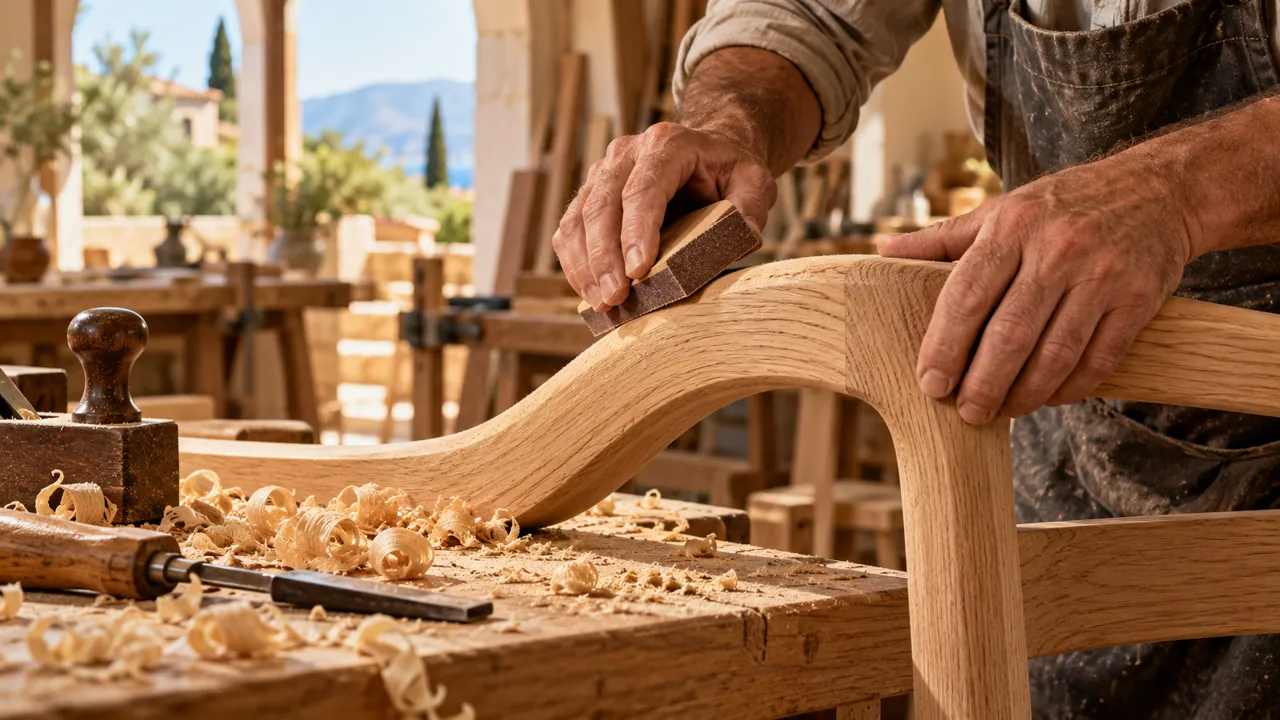
BD’s Antoni Gaudí furniture page explains its work reproducing historical designs in varnished solid oak with attention to original details. The catalogue includes named pieces such as the Batlló chair and bench and the Calvet armchair. This is a concrete example of the heritage side of the business.
A historical re-edition differs from inventing a new design under the executive’s own name. It involves presenting an existing design through a current production and distribution organisation. For a reader, that distinction helps separate three identities: the original designer, the company producing or editing the piece, and the people managing that company.
It also explains why material and provenance questions matter in design coverage. A photograph alone cannot confirm who made an object, what it is made from or which edition it belongs to. Those details need product documentation and an identifiable source, rather than an attractive image attached to a profile.
A published project shows the furniture in context
BD’s La Palmera project feature describes a 2026 interior in Cadaqués by architect Victor Bergnes de las Casas and identifies a Calvet armchair in the main living space. The feature gives readers a specific setting in which the company presents its furniture.
The project is evidence of the company’s published design context, not proof that Kalil Vieljeux designed the house or directed its renovation. Naming the architect and separating the furniture supplier’s account prevents a common biography error: assigning every project connected with an employer to its chief executive.
For someone exploring design, this distinction is useful beyond this profile. Ask who designed the building, who designed the object and who manufactured or supplied it. Different people can contribute to the same room, and accurate credits preserve those differences.
Look beyond the biography to the object
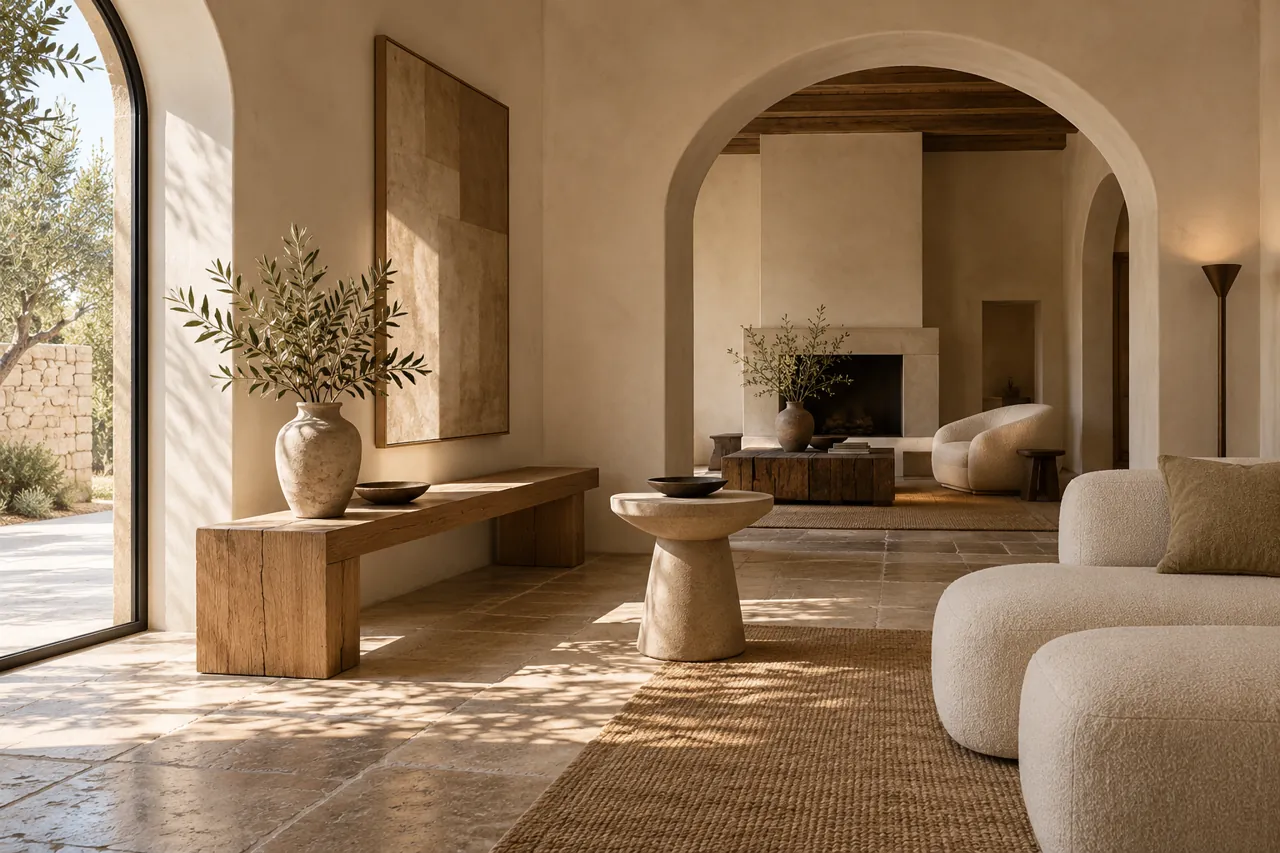
If the profile has sparked an interest in furniture, use it as a starting point for more specific research. Compare dimensions, materials, maintenance information and the intended setting before judging whether a piece suits a space. A striking design photograph is not a substitute for those practical details.
Our slatted oak shelf guide takes that practical approach to an interior object. The Ausbrella outdoor umbrella guide applies similar questions to a different product category. These are related design-reading resources, not claims of a business connection with Vieljeux or BD Barcelona.
Kalil Vieljeux FAQs
What is Kalil Vieljeux’s role at BD Barcelona?
The company’s team page lists him as CEO, as checked for this article. Corporate roles can change, so use the current company source for later updates.
Is Kalil Christian Vieljeux the name in the corporate notice?
Yes. That fuller name appears in the cited appointment entry for BD Barcelona 1972 SL.
Is his net worth publicly verified here?
No. The sources used for this guide do not establish a personal wealth figure, and a senior title is not a basis for calculating one.
Did he design the Gaudí furniture shown in BD’s catalogue?
No such claim is made. The catalogue credits Gaudí’s historical designs; executive leadership and design authorship are different roles.
A clearer profile begins with clear attribution
The strongest account of Kalil Vieljeux starts with a confirmed role, a dated corporate record and the work of the organisation around him. That provides meaningful professional context without filling the gaps with invented personal details. Keep the person, the company and the designer’s credit distinct, and the profile becomes more useful.
