


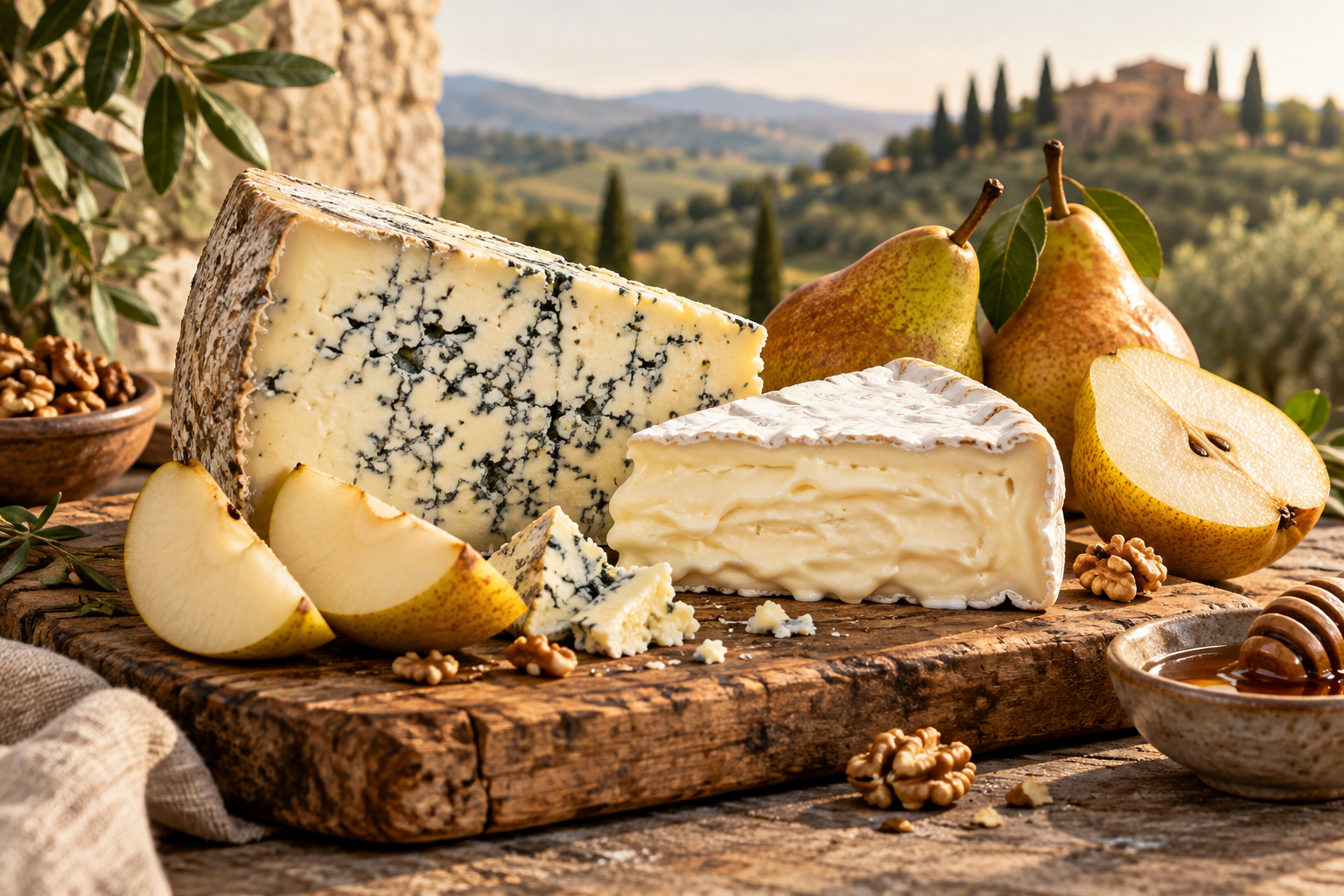
Masgonzola is a name used online for a creamy combination of mascarpone and Gorgonzola. The combination itself is real: established cheesemakers sell products bringing the two cheeses together. However, the sources reviewed here do not establish Masgonzola as one universally standardized product with a single maker, recipe or documented inventor.
For a shopper or home cook, the useful question is what is actually in the package. Is it layered cheese, a blended spread or a restaurant’s own sauce? This guide explains the verified pairing, how to compare labels and how to choose a preparation that suits the meal without inventing a history for the name.
The real cheese pairing behind Masgonzola
Mauri lists a Gorgonzola D.O.P. and mascarpone range, including products sold under the Duetto name. Arrigoni identifies Arrì Arrì as a combination of Gorgonzola Dolce and mascarpone. These manufacturer sources establish the pairing without requiring an unsupported claim that both companies use the word Masgonzola.
That distinction helps avoid confusion in a deli or online store. Search for the actual ingredients as well as the unfamiliar name. A retailer may stock the combination under a producer’s own label. Ask for the product description rather than assuming every spelling refers to the same cheese.
| Label question | Why it matters |
| Which cheeses? | Confirms the combination |
| Layered or blended? | Changes presentation |
| Added nuts? | Check ingredients and allergens |
| Pack size? | Compare unit prices |
| Storage instructions? | Follow the exact package |
| Producer? | Makes the item traceable |
What the two ingredients contribute
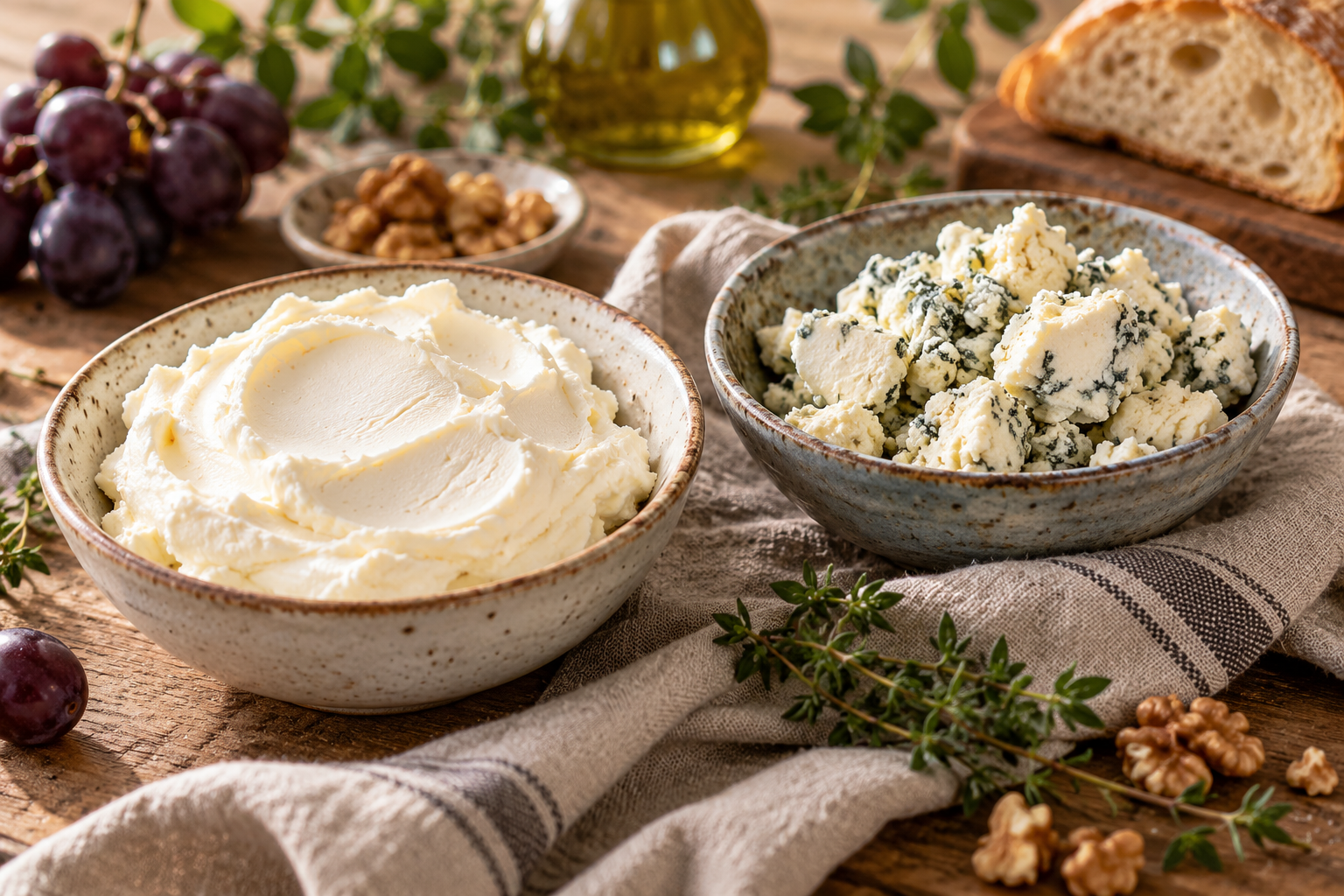
Mascarpone provides a mild, creamy component; blue cheese provides the stronger savoury character. The finished balance depends on the specific cheeses and their proportions. A gentle-looking spread can still have a pronounced blue-cheese flavour, while a visibly layered product may taste different depending on the portion served.
The Gorgonzola Consortium’s production information explains the geographical connection behind Gorgonzola DOP. Do not transfer that designation automatically to every mixed dish or informal product name. Identify the protected ingredient separately from the name used for a finished blend.
A useful comparison is to taste a small portion of each component separately before combining them at home. Then add a little of the stronger cheese to the creamy ingredient and adjust gradually. This is a cooking suggestion, not an official Masgonzola recipe. There is no reason to assume a universal half-and-half ratio.
Serving ideas that keep the flavour balanced
For a simple plate, serve a modest amount with plain bread or crackers and a contrasting fresh accompaniment. Pear slices are one possible choice. Keep sweet additions restrained at first so that you can judge the cheese rather than only tasting honey or jam. Provide separate utensils when serving other foods alongside it.
For toast, spread the creamy mixture thinly and add the finishing ingredients after deciding how salty and strong the cheese already tastes. If nuts are part of the dish, make that obvious to guests instead of hiding them in a garnish. The product label and your additions together determine what you are serving.
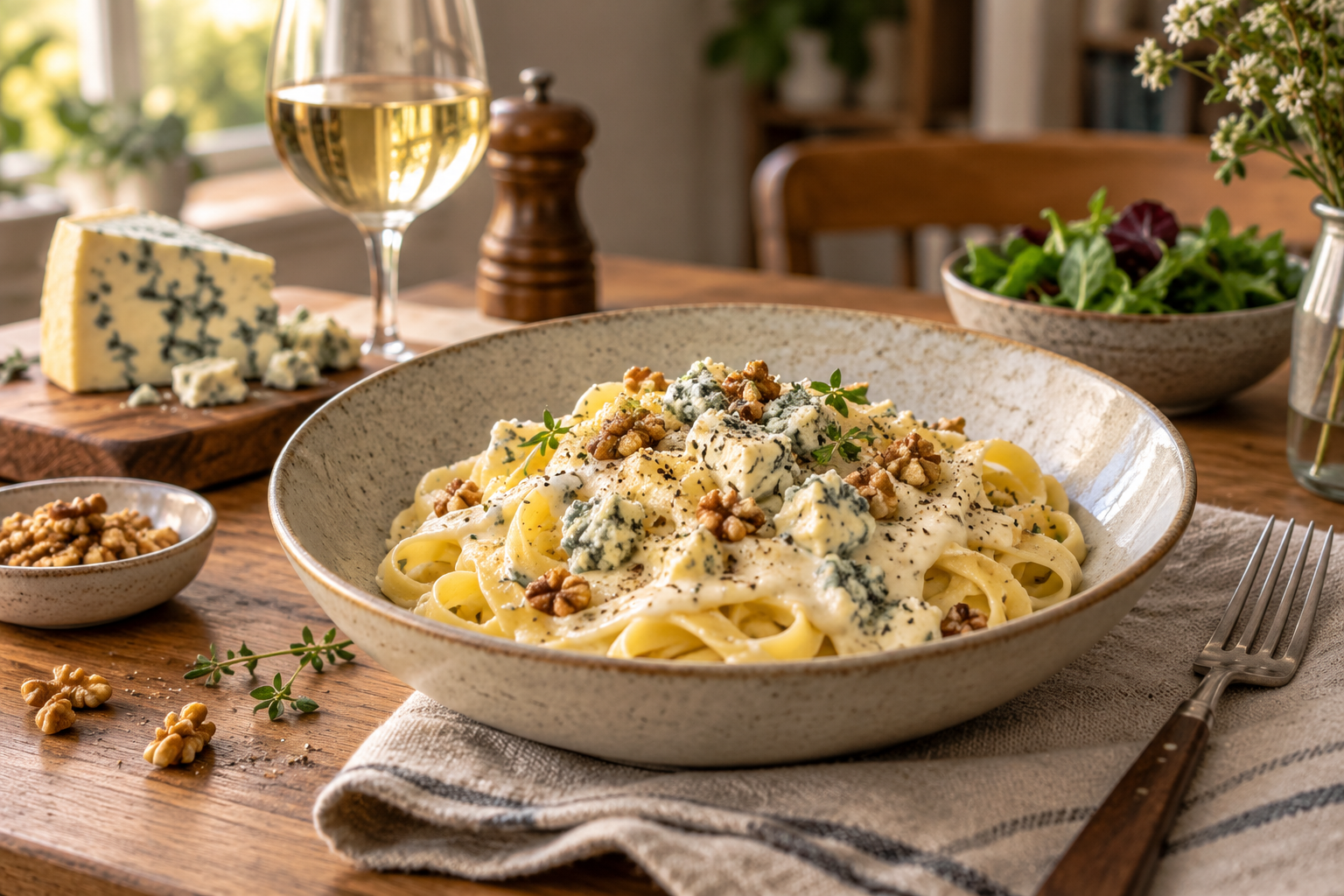
For pasta, prepare the pasta according to its own packet and reserve some cooking water. In a separate pan, warm the cheese mixture gently and loosen it a little at a time. Add the pasta and assess the consistency before adding more cheese. This approach gives you control over richness without needing a fixed recipe ratio.
Avoid promising that every cheese blend will behave identically under heat. A layered speciality and a soft spread can produce different results. Test a small amount when using an unfamiliar product, particularly if the meal is for guests. Write down the proportions that work for your specific ingredients.
Our Boursin cheese guide offers a related example of checking a cheese’s ingredients and serving context. The products are different; the shared habit is reading the actual label before choosing substitutions or handling instructions.
Shopping and storage checks

Compare unit prices rather than only the total price of a packet. Check whether an online listing is for one portion, a larger catering size or a whole piece. Photographs can make those sizes look deceptively similar. The weight and producer’s description should settle the comparison.
Follow the package’s refrigeration, use-by and after-opening instructions. Do not copy a generic internet shelf life onto a different product. If the packaging is damaged or the storage history is uncertain, resolve that uncertainty before serving it. A photograph is not a reliable way to certify a food’s condition.
Read the full ingredient and allergen declaration, particularly for versions with walnuts, pistachios or other additions. A blue-cheese-and-mascarpone product contains dairy ingredients, and the particular blend may have further components. Do not infer dietary suitability from the informal name or from a recipe on a different website.
When planning a larger meal, our SkeweRack cooking-equipment guide illustrates another practical distinction: a product’s description should be checked against its actual use. With cheese, the equivalent is matching the chosen pack and handling instructions to the dish you intend to prepare.
Frequently asked questions
Is Masgonzola the same as Gorgonzola? Not as used in this guide. Gorgonzola is the blue-cheese ingredient; the informal term is associated with a combination involving mascarpone. Check what the seller means before ordering.
Is there one authentic recipe? The reviewed manufacturer sources establish commercial combinations, but not one universal recipe under this spelling. Ratios, presentation and additional ingredients can vary.
Can I make a similar mixture at home? You can combine suitable purchased cheeses for your own dish. Describe it as your own mixture and follow the ingredients’ handling instructions rather than presenting it as a certified traditional recipe.
Has this guide taste-tested the products? No. Manufacturer information supports the product examples. The serving ideas are general suggestions, not a report of a comparative tasting.
Choose the cheese, then the name
Masgonzola becomes easier to understand when you start with the verifiable ingredients. Look for the producer, identify the actual combination and choose the texture that fits your meal. That approach gives you something useful to buy or cook without turning an uncertain label into a made-up culinary tradition.
