


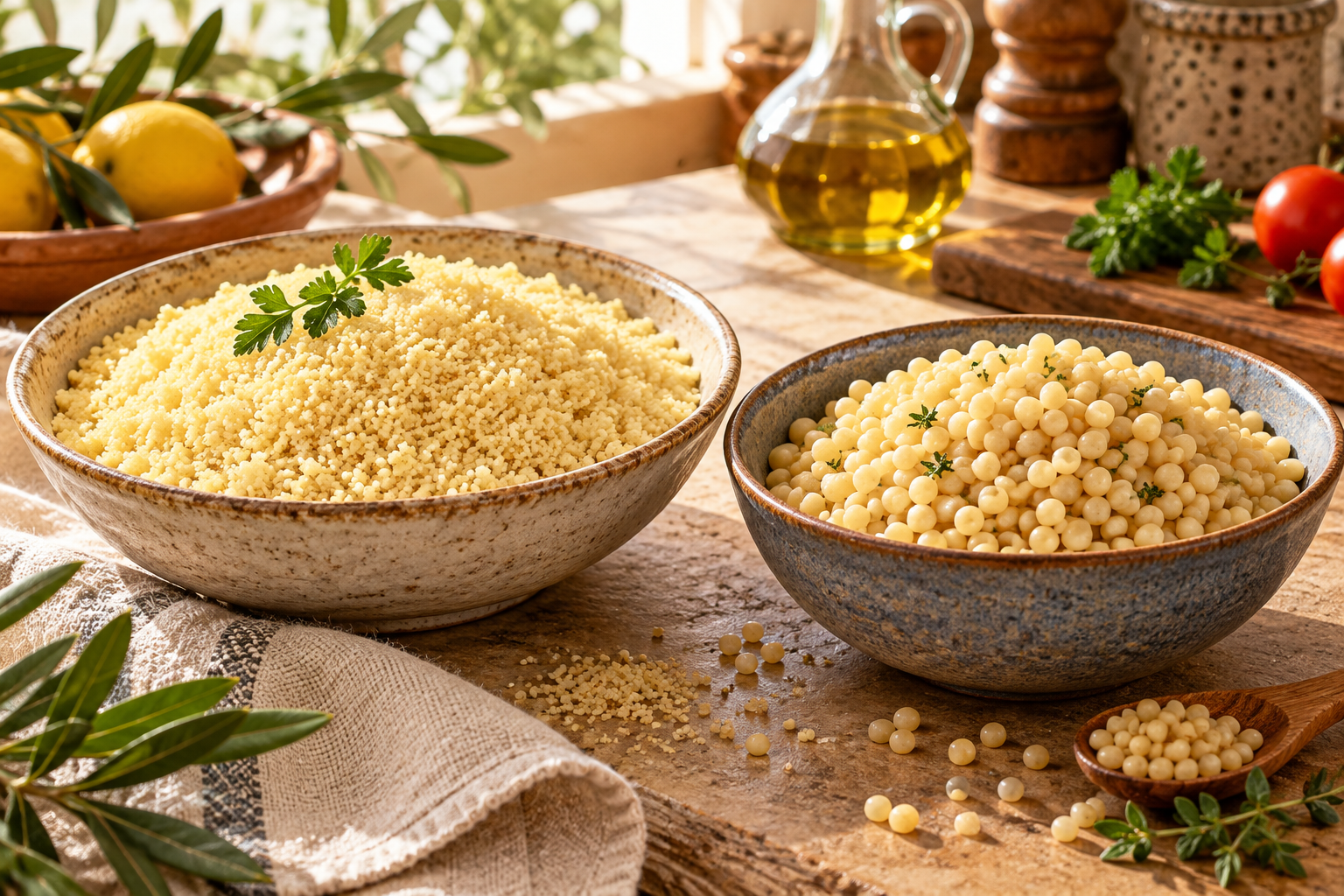
Kouskousi is a food spelling that needs context before it becomes a reliable cooking instruction. Online descriptions often connect it with couscous or small Greek pasta. Those foods can look similar in a bowl, but a familiar-looking name does not tell you whether the packet needs soaking, steaming or boiling.
The practical approach is to identify the product first. Read its original-language name, ingredients and cooking directions, then choose a recipe that matches. This guide explains the distinction using a documented Greek pasta example and offers a flexible way to plan a meal without assigning every similar spelling one universal history.
| Type | Preparation check |
| Fine couscous | Packet hydration instructions |
| Round Greek pasta | Boiling time on packet |
| Recipe substitution | Allow for texture and liquid differences |
What does Kouskousi refer to?
This review did not establish one manufacturer-independent product specification for the exact spelling kouskousi. Treat it as a search starting point rather than a promise of a particular grain size or preparation method. If a shop or family recipe uses the name, ask what the author means in that setting.
There is a directly documented Greek product called MISKO Couscousaki. Its manufacturer describes small round pasta made with durum wheat semolina and water. The listed boiling time is 12–14 minutes for that particular product. This is useful evidence about the product, not a cooking rule for everything called couscous.
Fine couscous and round pasta are not interchangeable instructions
For a contrasting example, RiceSelect’s Moroccan-style couscous uses a brief covered standing step after the water is brought to a boil and removed from heat. That differs from boiling round pasta until tender. Follow the packet for the product in your cupboard rather than transferring one method to another.
Fine quick-preparation couscous can be sold with directions to hydrate it with hot liquid. Small pasta products may instead need active boiling. Traditional preparation can differ again. The package is therefore the best first reference for the item in your cupboard, especially if an online recipe uses an ambiguous translated name.
Size changes the finished dish as well as the cooking process. Fine granules can form a loose bed for vegetables, while larger round pasta gives a more distinct bite. Compare the uncooked product before choosing a substitute. A photograph of the finished meal may hide the difference under sauce or garnish.
If you change the ingredient, revisit the liquid quantity, cooking time and point at which it enters the dish. Do not simply replace one dry volume with another and assume the same result. Cook a small test portion when you are uncertain, then decide whether the texture suits the meal.
Read the label before building the dish
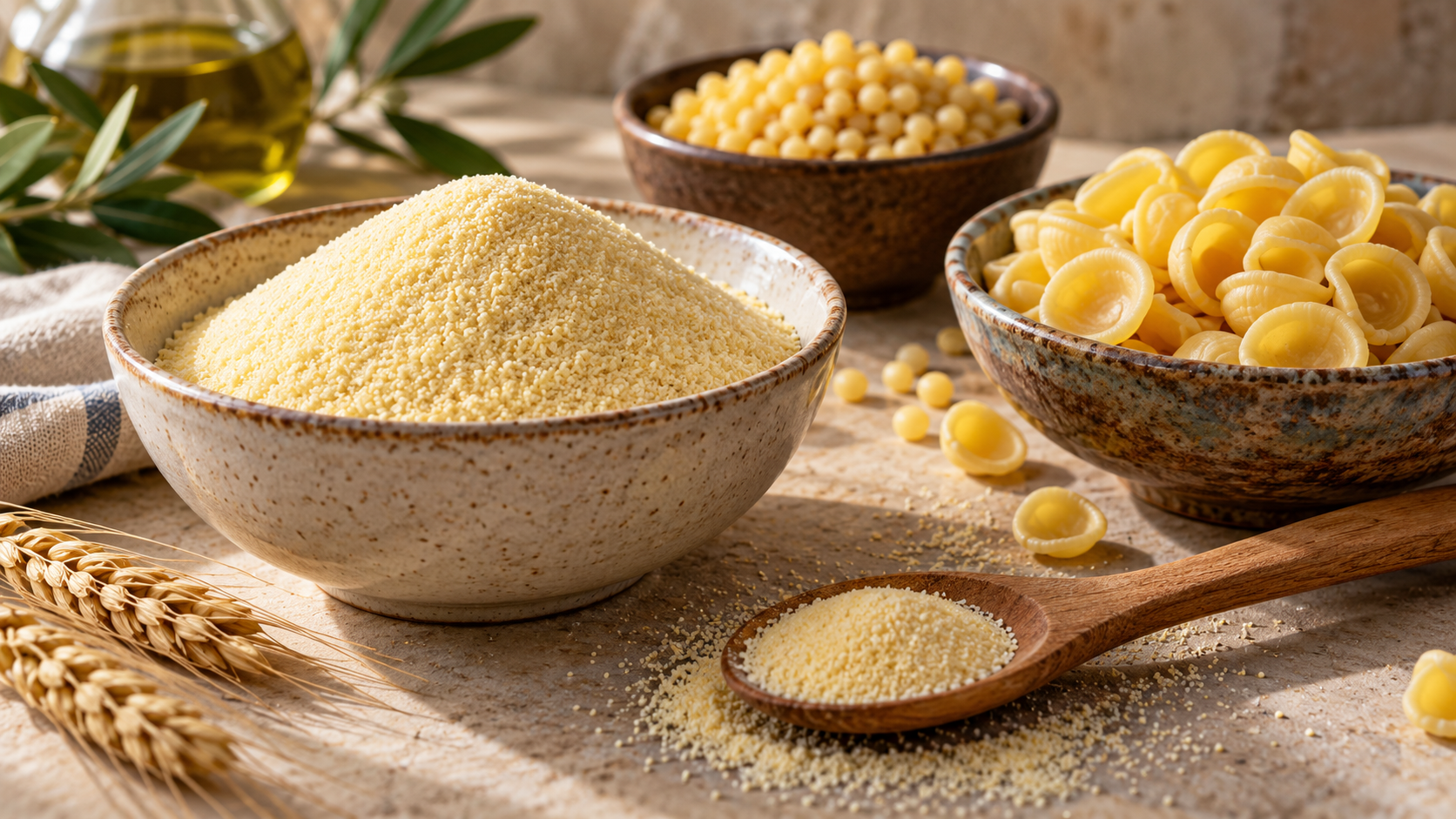
Start with the ingredient list. A product made from durum wheat semolina is not automatically suitable for someone avoiding wheat or gluten. Check the exact pack and relevant allergen information rather than relying on a general article about Mediterranean food. Additional ingredients can also vary between products and recipes.
Next, find the preparation instructions. Note whether the water is measured and absorbed or whether the food is boiled in excess water and drained. Keep that distinction visible when planning your pan size and timing. It explains many disappointing results more effectively than adding extra oil after cooking.
Finally, check the serving information. Dry and cooked weights are not interchangeable because water changes the final weight. When comparing nutritional panels, make sure the numbers describe the same basis. The whole meal also includes its vegetables, oils, cheeses and other additions, not just the dry base.
A flexible vegetable bowl
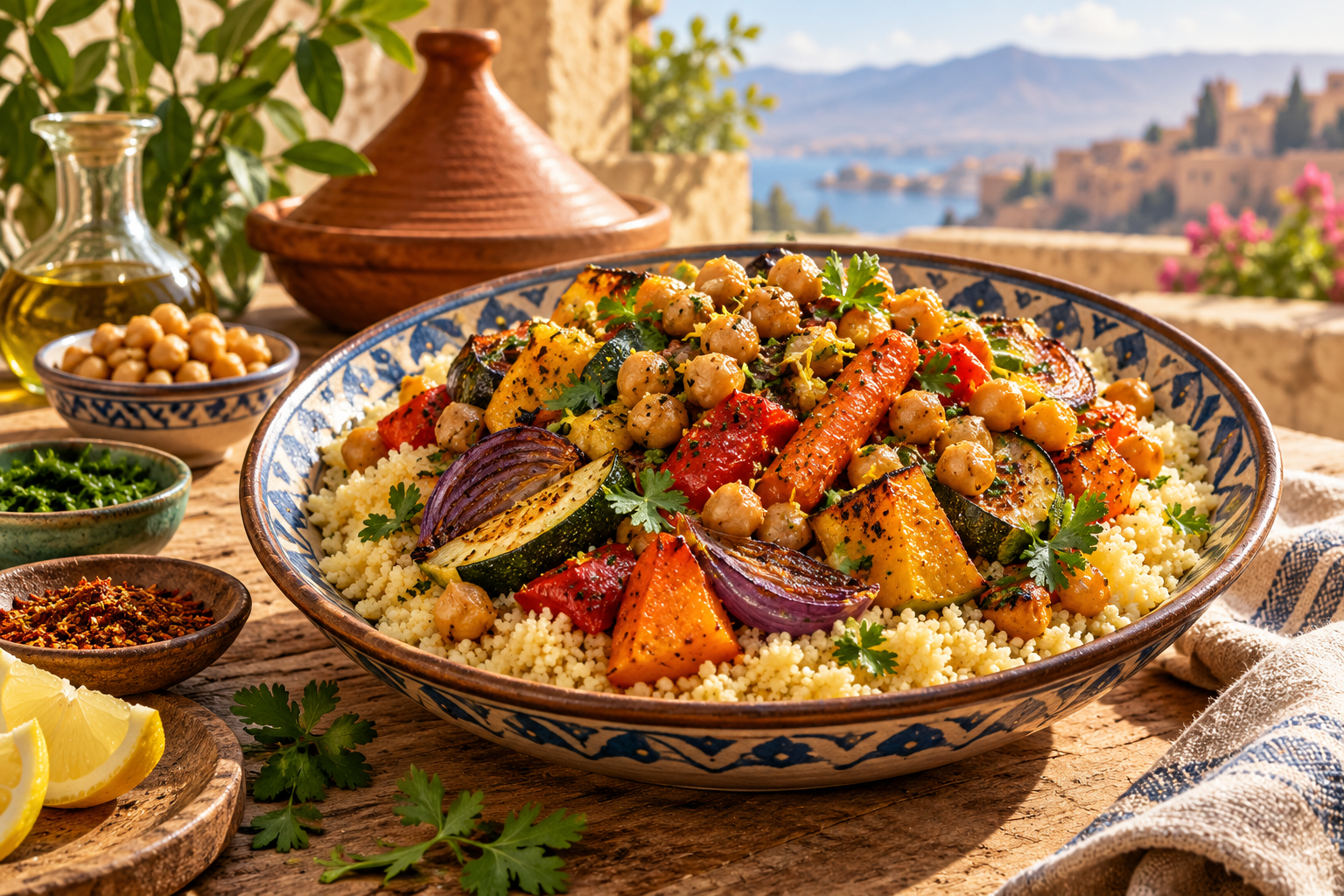
For an adaptable meal, choose a confirmed couscous or small-pasta product and prepare it according to the packet. Separately cook vegetables that you enjoy, such as courgette, carrots or peppers. Keep the pieces reasonably similar in size so that the tray or pan cooks evenly.
Combine the prepared base with the vegetables and a modest amount of dressing. Add a little at first, mix and taste before adding more. Chickpeas can provide another texture, while herbs or lemon can brighten the flavour. This is a general serving framework, not a claim to reproduce a specific regional recipe.
If you want cheese in the bowl, choose it deliberately. Our Boursin guide covers a different ingredient whose flavour and handling instructions also depend on the actual product. A creamy cheese can change the dressing considerably, so taste before increasing salt or richness.
Using small pasta in soup
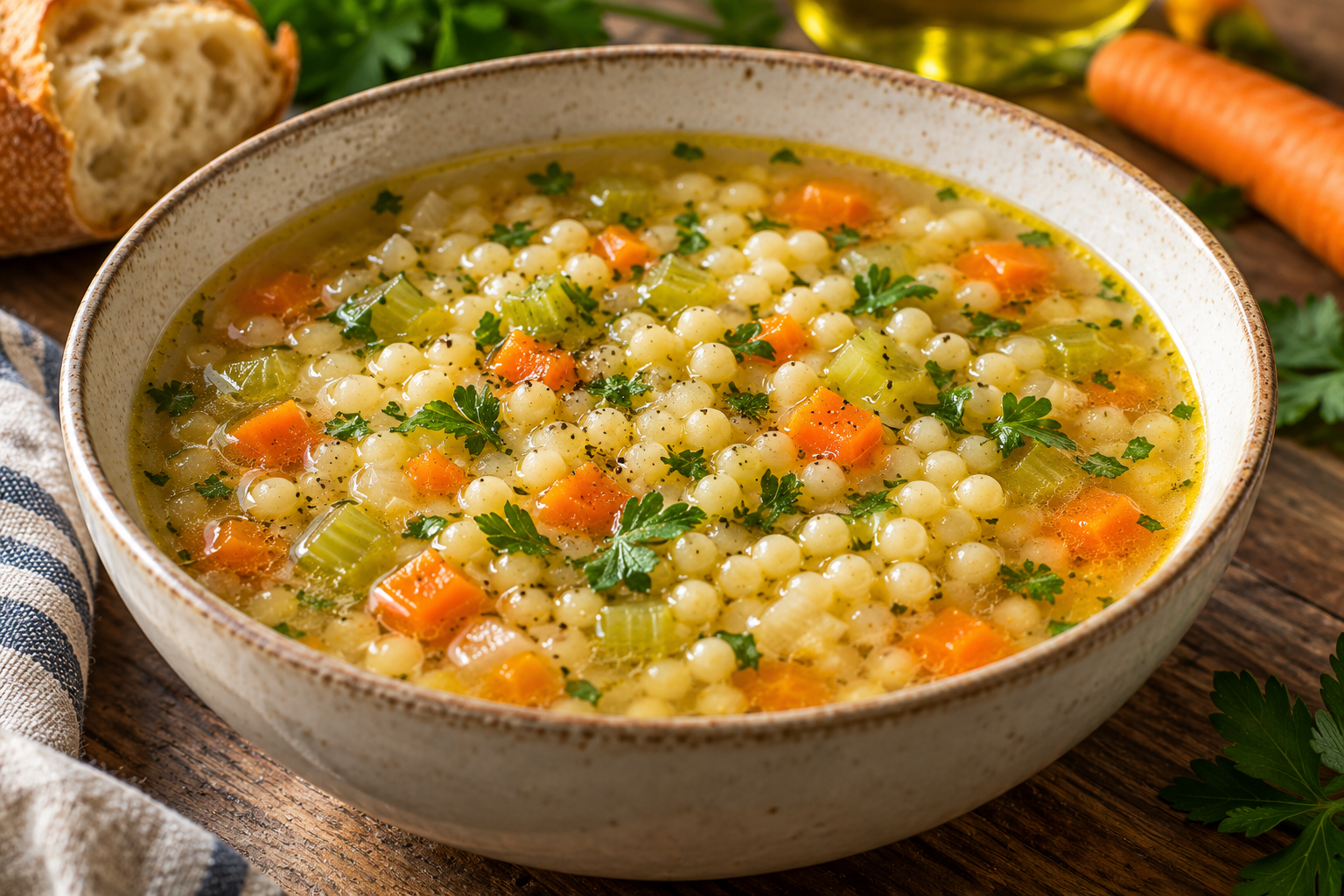
For a soup, decide whether the pasta will cook in the broth or be cooked separately. Cooking it in the soup makes the liquid part of its preparation, while separate cooking gives more control over the final texture. Either way, use instructions appropriate to your pasta rather than borrowing a soaking method from fine couscous.
When making several portions, consider how long the finished soup will wait before serving. Pasta left in liquid can change the texture of the dish. A small test portion helps you judge the result you prefer. Keep any storage and reheating decisions aligned with current food-safety guidance and the ingredients involved.
The manufacturer categorizes the MISKO example as suitable for soups and also suggests other serving contexts. That supports its versatility, but it is not evidence that every product with a similar name behaves identically. Product-specific information remains the useful reference.
Keep cultural claims specific
A food can have several related names across languages without every name describing exactly the same preparation. Record the country, producer or recipe source when discussing origin. Avoid saying that one unfamiliar spelling has a single inventor or an ancient fixed recipe unless a dependable source establishes it.
For a broader example of treating unfamiliar terms carefully, our Mirativi language guide shows why a word’s original context matters. In the kitchen, that same attention prevents a translation from becoming the wrong instruction.
Frequently asked questions
Is Kouskousi always couscous? The exact spelling alone does not settle the product. Ask whether the source means fine couscous, a small round pasta or a local preparation.
Can I use the same cooking time for both? No universal time is appropriate. Follow the packet for the ingredient actually being used, then check the texture before serving.
Is it gluten-free? Do not assume so. The documented MISKO example contains durum wheat semolina. Other products need their own ingredient and allergen checks.
Is this a tested recipe? The meal ideas are adaptable suggestions, not a report of kitchen testing or a standardized traditional recipe.
Let the packet settle the practical question
The best kouskousi meal starts with a clear ingredient identity. Confirm the grain or pasta type, follow its preparation method and then build the flavours around it. That small check saves more trouble than trying to force several related foods into one name.
