


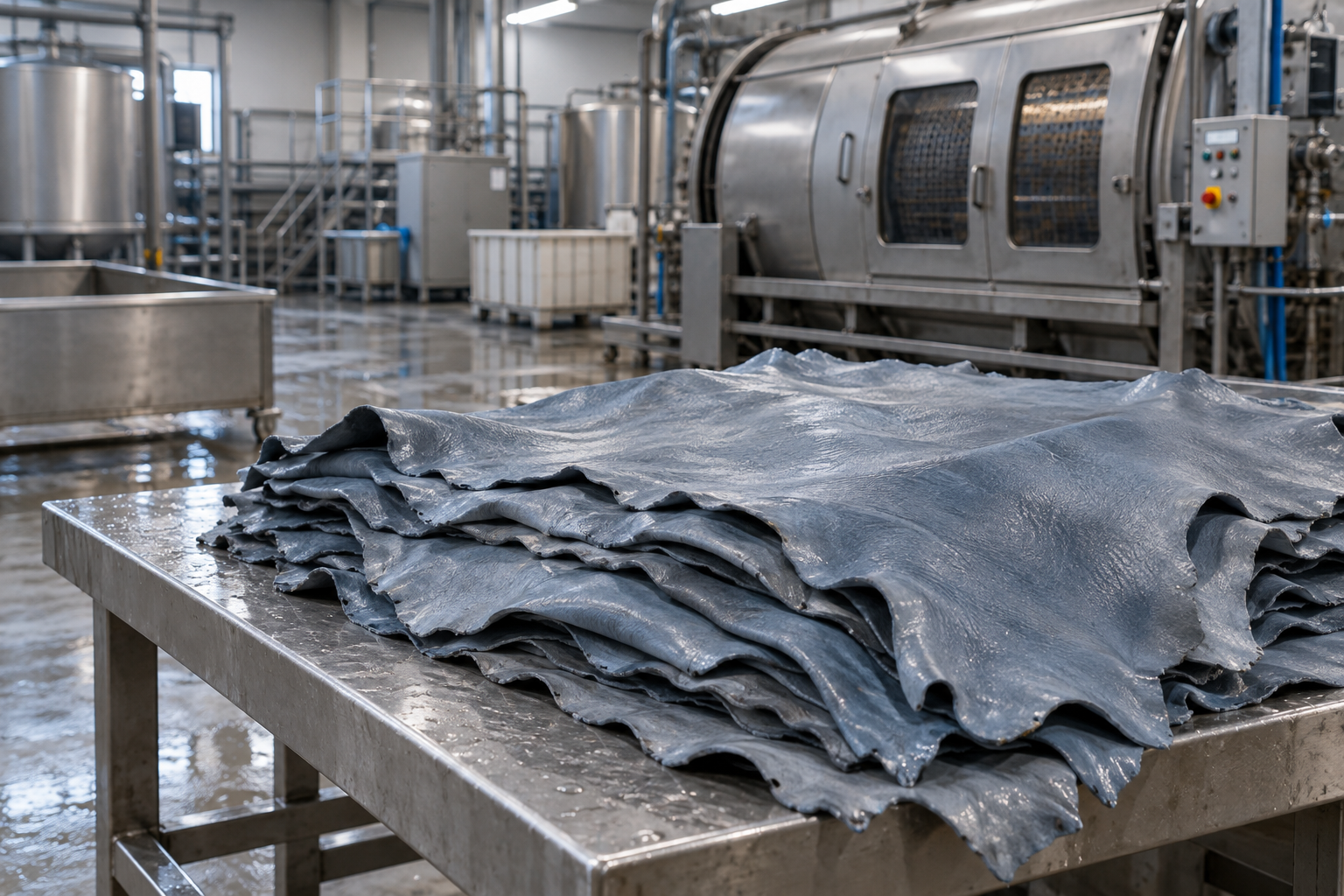
Sammying is a leather-processing operation that removes excess moisture from wet hides using mechanical pressure. It is an established tannery term, and the clearest way to understand it is to follow what happens to the material: water is squeezed out so the leather can move into the next production stage in a more controlled condition.
The word sometimes appears in unrelated online slang. This article covers its industrial meaning. It explains the process rather than providing machine operating instructions. The illustrations are AI-generated concepts, not photographs of a named tannery or a particular machine.
What sammying means in leather production
GER Elettronica’s explanation of sammying describes pressure being applied to wet hides after tanning to remove surplus water. The purpose is preparation for later operations, not the creation of a finished leather surface in one step.
Think of it as controlled dewatering. The material remains leather in process, and further treatment may still be needed. It would be misleading to describe sammying as a complete replacement for drying, finishing or quality inspection.
| Term | Main purpose |
|---|---|
| Sammying | Mechanical removal of surplus moisture. |
| Splitting | Dividing the hide into layers. |
| Shaving | Working towards a more uniform thickness. |
| Drying | Reducing remaining moisture through the chosen drying method. |
| Finishing | Developing the required surface appearance and properties. |
How rollers and felts work together
In a through-feed system, the hide moves through a pressing arrangement with felts supporting the material and helping drainage. Dollfus & Muller’s sammying-felt description explains a configuration in which the hide passes between upper and lower felts while several cylinders apply pressure.
The felt is therefore a working component, not merely padding. Its construction and suitability affect how the machine handles water and the hide. The supplier offers different materials and styles for different machines and leather-processing requirements.
That is why replacing a felt on the basis of appearance alone is a poor specification method. A component that looks similar can still be unsuitable for the machine and production conditions.

Why there is no universal machine setting
Dollfus & Muller’s selection guidance identifies the number of pressure cylinders as an important consideration. It also asks about hide type, tanning type, previous felts and problems encountered. These are practical reminders that a sammying line is a system with several interacting variables.
A beginner’s article should not prescribe one pressure or speed for every tannery. The relevant settings come from the machine instructions, the production specification and qualified personnel working with the actual material.
- Material: what type and condition of hide is being processed?
- Equipment: which machine and pressing arrangement are installed?
- Consumables: which felts are specified for that application?
- Target: what condition is required by the next operation?
- Inspection: how will the result be checked and recorded?
Where sammying fits in the production sequence
Industrial sources place sammying among the mechanical operations associated with wet leather processing. It should be understood in relation to the stages before and after it, rather than as an isolated transformation. A production line designed for one leather type need not use exactly the same sequence as another.
For example, a requirement for more consistent thickness belongs to a different question from the removal of excess water. Mixing those goals makes it harder to identify which operation needs attention. A useful process description names both the operation and the result expected from it.
What quality checks are trying to establish
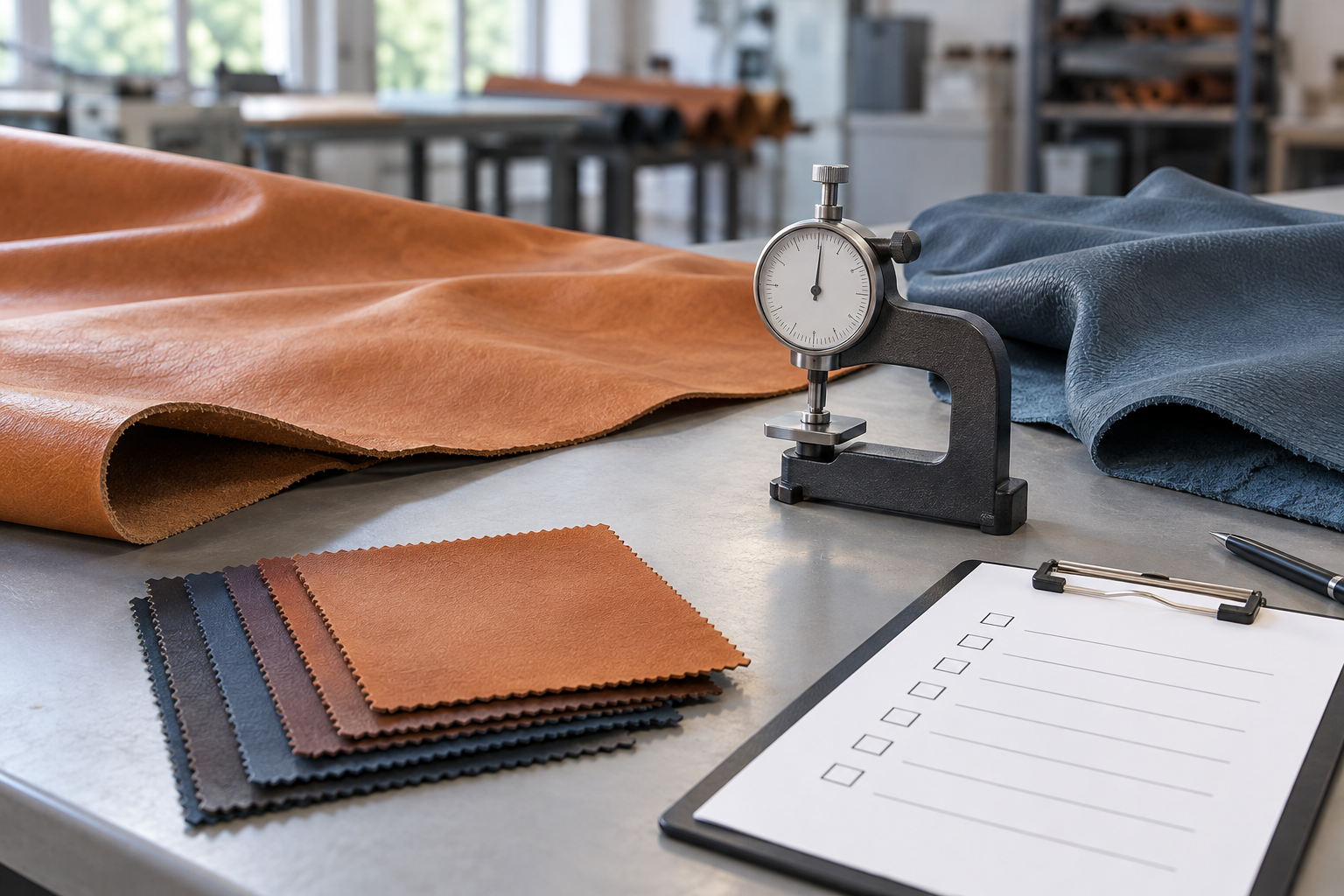
The Leather Sector Skill Council’s operator qualification pack treats sammying as skilled work that includes preparing material, monitoring the operation, checking quality and reporting faults. Its description explains that rollers under pressure remove excess moisture and grease.
The practical lesson is that material leaving a machine is not automatically acceptable. It must meet the relevant production requirement. If a result varies across a batch, the operator needs a defined reporting and investigation process rather than an improvised adjustment.
Useful production records connect the batch, machine, material and observed result. They make it easier to discuss a recurring issue with maintenance or the component supplier. They also distinguish a confirmed defect from a casual visual impression.
Sammying and the finished leather product
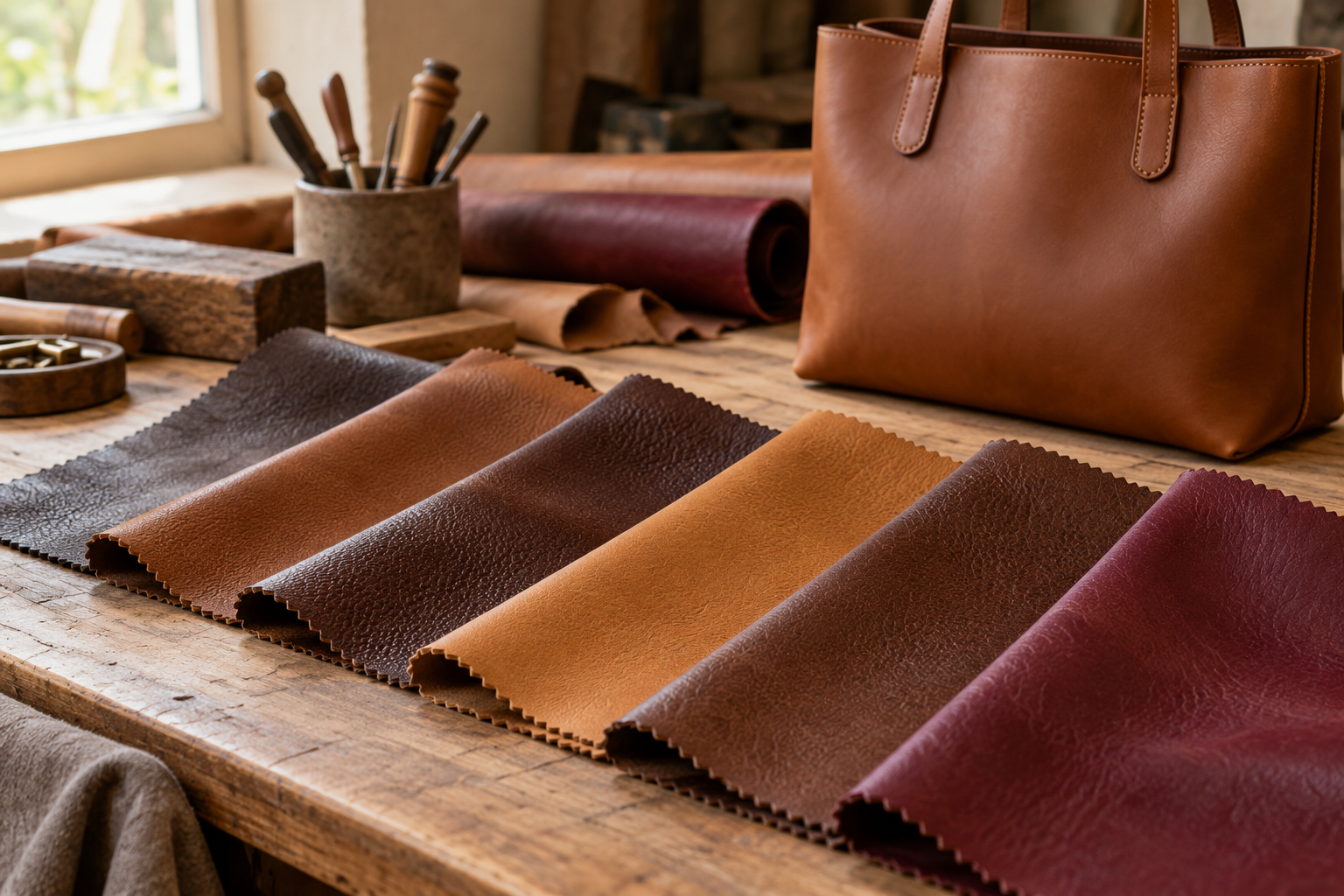
A shopper sees a bag, shoe or upholstery panel, while a manufacturer sees a sequence of material decisions. Sammying is one of the less visible operations within that sequence. Its name is not a quality grade, a leather species or a guarantee of sustainability.
Claims about water savings, energy savings or improved yield need measurements from the relevant process. The fact that an operation removes water does not, by itself, quantify its environmental performance.
If you enjoy understanding how materials are specified, our Mineralico flooring guide explores another material in its own application. Broader production and company coverage is available in our business section.
Frequently asked questions
Does sammying mean drying leather completely?
No. It removes excess moisture mechanically; later drying or other processing can still be required.
Is sammying the same as splitting?
No. Splitting divides a hide into layers, while sammying primarily concerns excess moisture.
Why are felts used?
In the systems described here, felts support the hide and help drainage as pressure is applied.
Can one pressure setting suit every hide?
A universal setting should not be assumed. Follow the machine documentation and the production specification.
Key point: sammying is a controlled preparation stage. Its value lies in delivering the required condition for the next operation, not simply making wet leather look drier.

1 Comment
Pingback: Fascisterne Explained: Danish Meaning and History Guide