


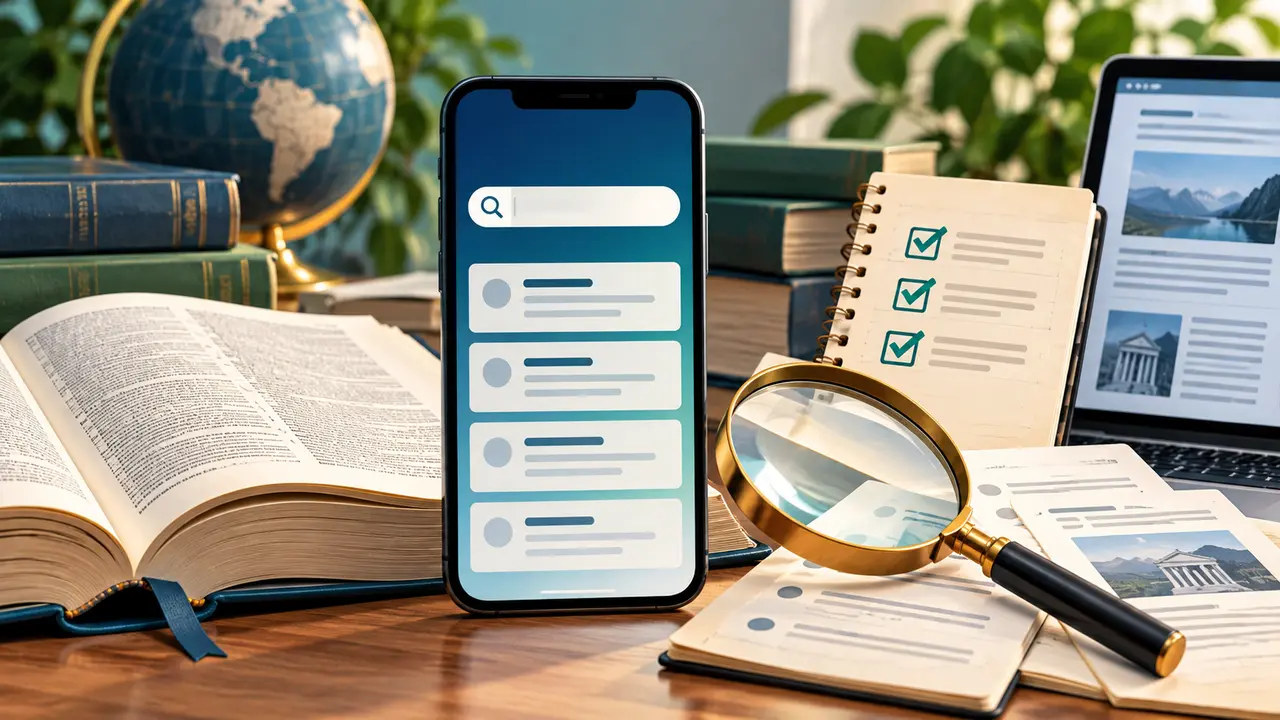
Wifekivers is appearing in online searches, but the most important fact comes first: it is not an established English word with a stable, authoritative definition. Recent web pages often describe Wifekivers as a label for a caring, dependable romantic partner. Those descriptions may reflect emerging usage, yet repetition across similar articles is not the same as proof of a recognised meaning, origin or community.
This guide explains what can be verified, what remains unresolved, and how to interpret Wifekivers without turning speculation into fact. It also separates the word question from the genuinely useful relationship qualities that some pages attach to it.
Wifekivers at a Glance
| Question | Evidence-based answer |
|---|---|
| Is Wifekivers in major dictionaries? | No authoritative entry was located during research. |
| Does it have one confirmed meaning? | No. Online explanations are recent and vary. |
| Is its origin documented? | No reliable coinage, creator or first-use record was found. |
| Common online interpretation | A caring, loyal or supportive partner, presented as an informal label. |
| Safest way to use it | Define the intended meaning in context and avoid presenting it as established vocabulary. |
What Does Wifekivers Mean?
In the cluster of recent pages that use the term, Wifekivers is commonly connected with loyalty, kindness, reliability, honest communication and shared responsibility. That gives readers a working sense of how publishers currently use it. It does not establish a formal definition.
A search of established dictionary material finds nearby words such as “wifelike”, which Merriam-Webster traces to early modern English. Wifekivers, by contrast, lacks that documented history. It may be a new coinage, a spelling mutation, an SEO-driven term or a label circulating in a small online community. Available evidence does not let us choose confidently among those possibilities.
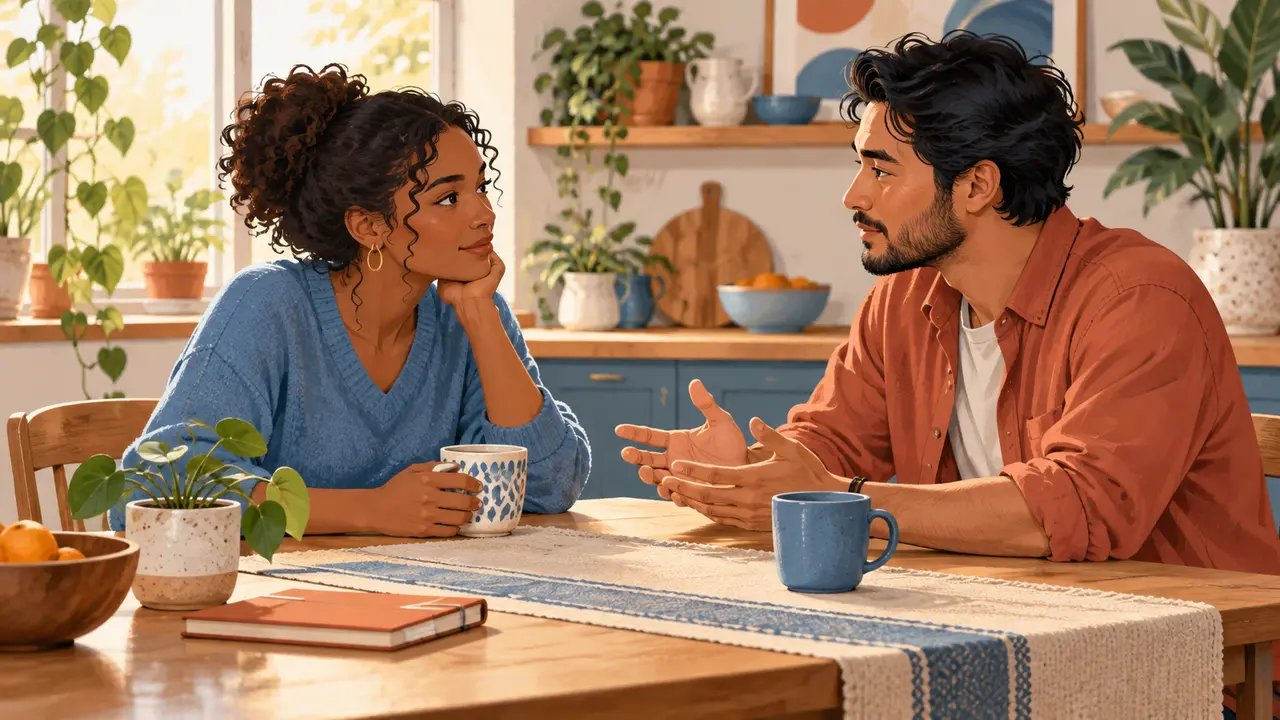
Established Fact Versus Online Interpretation
The distinction matters because search results can create a false appearance of consensus. Several pages may repeat the same definition after drawing from one another. Without an independently documented origin, dated examples across different communities, or recognition by a reputable reference work, a confident origin story would be guesswork.
- Verified: multiple recent web pages use Wifekivers and associate it with positive partner behaviour.
- Not verified: a single official definition, known inventor, linguistic root or fixed pronunciation.
- Reasonable wording: “Some online explainers use Wifekivers to mean…”
- Misleading wording: “Wifekivers officially means…”
This cautious method also applies to unfamiliar names and acronyms. Our guides to Pantagonar, MMSBRE and Nerwey show why a repeated claim should still be checked against its source.
A Practical Wifekivers Verification Checklist
When a new term suddenly appears, start with primary evidence. Look for the earliest dated use, the person or community using it, and a sentence that makes the intended meaning clear. Then check independent dictionary databases, books, news archives and reputable language resources. A page published recently should not claim an old history without showing evidence.

- Search the exact spelling in quotation marks.
- Compare publication dates and check whether later pages cite earlier ones.
- Look for named authors, evidence and correction policies.
- Test spelling variants, but do not assume two similar words are identical.
- Separate a writer’s interpretation from a documented definition.
A facts table or confident tone does not make a claim authoritative. Reliable language research should allow readers to follow the evidence, not merely trust the page.
Relationship Qualities Behind the Label
Even though Wifekivers remains linguistically unresolved, the positive qualities attached to it can be discussed using better-established guidance. The American Psychological Association recommends open conversation and active effort in maintaining healthy partnerships. Love is Respect identifies communication, boundaries, mutual respect and support as key elements.
These principles are more useful than judging whether someone fits an internet label. Healthy behaviour is observable: partners can listen without intimidation, respect privacy, discuss expectations, take responsibility and allow each other independent choices. A catchy word should never be used to impose gender roles or suggest that one partner owes the other obedience, unpaid labour or constant emotional availability.
How to Use Wifekivers Carefully
If you use Wifekivers in a post or conversation, define it immediately: “Here I use Wifekivers as an informal label for consistent care and mutual respect.” That signals a local meaning rather than an official one. Avoid using the term to diagnose relationships, rank people, or make claims about an individual’s private life.
Context matters especially across cultures and languages. “Wife” may suggest marriage or gender-specific expectations, while the intended behaviour—respect, communication and reliability—can apply to partners of any gender or marital status. Plain language will usually communicate the idea more clearly.

Digital Safety Around Wifekivers Pages
An unfamiliar keyword can lead to equally unfamiliar websites. Do not enter a social-media password, payment information or identity documents simply to read a definition or take a quiz. Check the domain, privacy policy, author information and contact details first. Be cautious of downloads, browser-notification prompts and claims that require urgent payment.
The US Federal Trade Commission advises people to recognise phishing attempts that seek personal or financial information. The same basic rule applies here: a relationship-themed page does not need access to your email, bank account or private messages to explain a word.
Frequently Asked Questions
Is Wifekivers a real dictionary word?
It is a real search term and appears on recent websites, but no major authoritative dictionary entry was found. It is safest to call it an emerging or unverified online expression.
Does Wifekivers mean “wife material”?
Some pages connect the terms, but they are not proven synonyms. “Wife material” is established colloquial language; Wifekivers has no stable definition. Always check the writer’s context.
Can Wifekivers describe any gender?
There is no authoritative rule. If a writer intends it to describe supportive partner behaviour regardless of gender, that meaning should be stated explicitly.
How can I tell whether a definition is reliable?
Look for dated usage examples, independent sources, transparent authorship and evidence of origin. Treat identical wording across low-information sites as repetition, not confirmation.
The Useful Takeaway
Wifekivers currently works best as a case study in careful reading. Online usage points toward care, loyalty and dependable partnership, but the word’s definition and origin remain unresolved. Use it only with a clear explanation, value real behaviour over labels, and keep personal information away from unfamiliar sites.
The images in this article are AI-generated editorial illustrations and do not depict documented people or events.
