


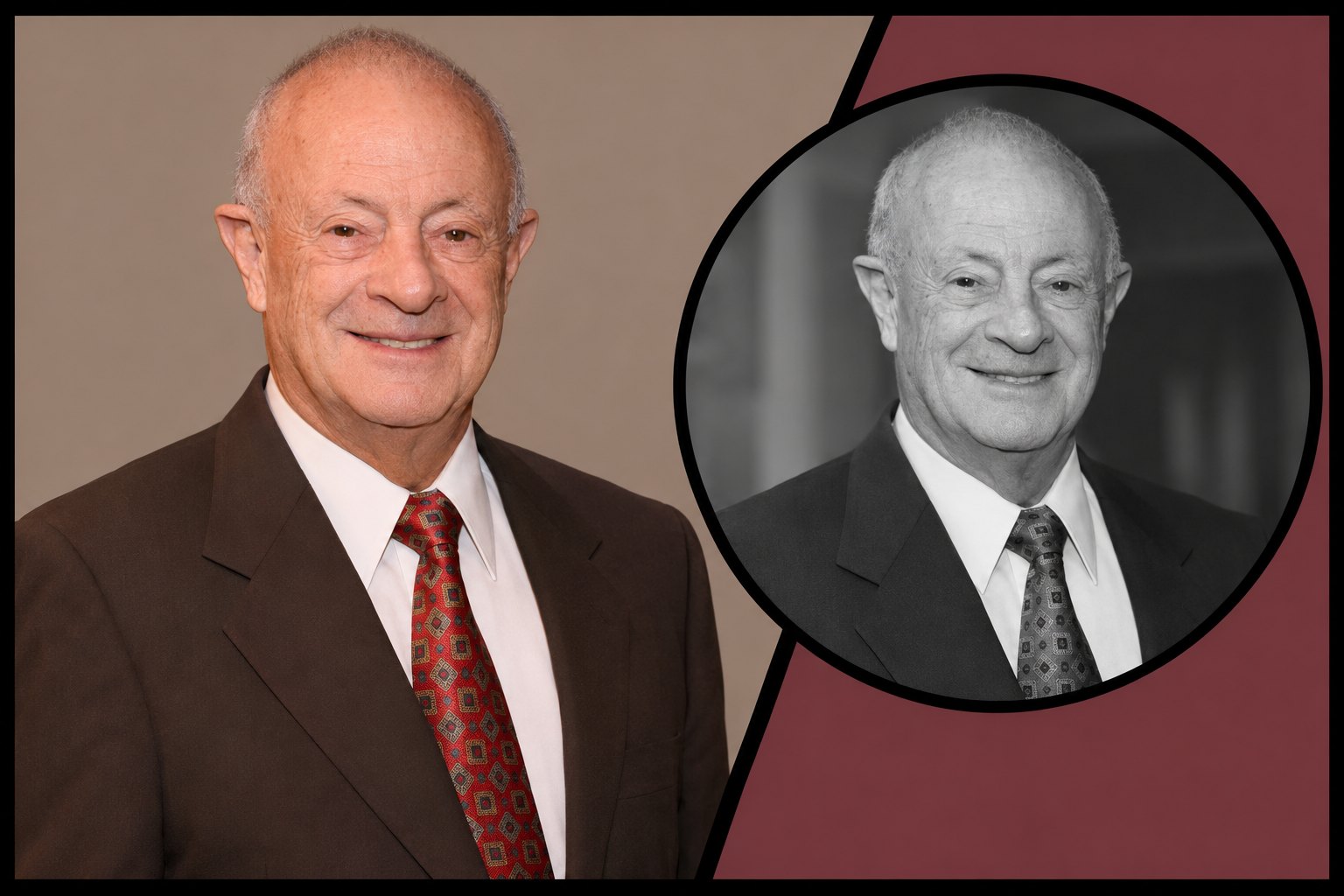
Lou Genevrino is a performer whose public story connects Broadway, smaller screen roles and his long marriage to actress Elinor Donahue. Theatre records identify him as Louis Genevrino, including a credit in the original Broadway production of Fiddler on the Roof.
Although many readers encounter his name through Donahue, his professional history began decades before their 1992 marriage. The most useful biography starts with those documented credits, then separates the couple’s public history from details about his age, education and finances that have not been reliably established.
Quick Facts
| Public name | Lou Genevrino |
| Theatre credit name | Louis Genevrino |
| Profession | Stage and screen performer; also described in biographical references as a contractor |
| Known stage credits | Do Re Mi, Fiddler on the Roof and Illya Darling |
| Fiddler on the Roof role | Hershel in the original Broadway production |
| Screen credits | Quest, Homefront and Sinatra |
| Spouse | Elinor Donahue |
| Marriage year | 1992 |
| Verified birth date | Not established in reliable public sources |
| Verified personal net worth | Not publicly available |
Who Is Lou Genevrino?
Genevrino occupies a familiar but often overlooked place in entertainment history: a working performer with verifiable credits who never became a household name on the scale of a leading television star.
His public profile is smaller than Donahue’s, but that does not make his career imaginary or dependent on their marriage. The theatre record provides a clear professional starting point.
The Internet Broadway Database profile lists him under Louis Genevrino. Screen references generally use Lou.
Keeping those names connected matters when researching his work. Searching only the shorter name can miss stage credits and produce an incomplete picture of his career.
Early Life and Education
Reliable public sources do not establish Genevrino’s exact birth date, birthplace or educational history in enough detail to present a full childhood narrative.
That is a limit of the available record, not a reason to create a plausible-sounding biography. Claims about schools, parents or a specific age need their own evidence.
What can be said with confidence is that his documented stage work reaches back to the 1960s. By then, he was already working in professional musical theatre.
A production credit tells us where a performer worked and what part he held. It does not automatically reveal where he trained or how he obtained the role, so those questions should remain separate.
Do Re Mi and Touring Work
Genevrino’s theatre history includes the 1962 tour of Do Re Mi. Touring is a distinct part of a stage career and should not be confused with appearing in the original Broadway company of the same musical.
The IBDB touring record provides the production context. His broader profile also records the credit within his professional history.
For a performer, touring involves maintaining a production while moving between venues and audiences. The show must remain coherent even when the physical surroundings change.
That practical setting helps explain why a touring credit matters. It represents professional work within an established production, not merely a passing association with a famous title.
Fiddler on the Roof
Genevrino appeared as Hershel, the potseller, in the original Broadway production of Fiddler on the Roof. The production opened in September 1964.
Both IBDB’s production record and Playbill’s cast archive identify his role.
This is the strongest single landmark in his public career. Fiddler on the Roof became an enduring part of musical-theatre history, and the original company helped establish the stage world that later productions would reinterpret.
It is important, however, not to turn the production’s full run into Genevrino’s personal employment history. The show continued for years, but the dates of a production do not prove that every original cast member stayed throughout.
Why the Supporting Cast Matters
Fiddler on the Roof depends on the sense of a community surrounding its central family. Supporting characters help make that community visible and give the larger story a social setting.
A performer in such a role may not receive the attention given to the lead, but the work still requires consistency and a clear understanding of the production’s tone.
Genevrino’s credit is therefore meaningful without being exaggerated into a starring role. It places him within the original company and identifies the contribution attached to his name.
That is a useful way to approach many theatre biographies. The distinction between lead, supporting performer, ensemble member and understudy allows a career to be described accurately while respecting the work involved.
Illya Darling in 1967
Genevrino’s next documented Broadway credit was Illya Darling, which opened in April 1967. IBDB lists him in the ensemble and as an understudy for the Forward Sailor.
The musical was based on the film Never on Sunday, with music by Manos Hadjidakis, lyrics by Joe Darion and a book by Jules Dassin. Playbill’s production archive includes Genevrino in the company.
An understudy credit describes preparedness for a role, not proof that the performer played it at every performance. That distinction is particularly important when theatre records are condensed into short online biographies.
Together, the Fiddler and Illya Darling credits show professional continuity across separate productions rather than one isolated appearance.
Moving Between Stage and Screen
Genevrino’s screen credits include Quest, Homefront and Sinatra, as listed in his IMDb biography.
The record is modest compared with that of a leading film or television star, but it establishes work outside musical theatre.
Stage and screen acting use related skills under different conditions. On stage, a performance unfolds continuously in front of an audience; screen work may be recorded in short sections and assembled later.
For a supporting actor, the task is often to make a brief appearance fit naturally within a larger story. A small amount of screen time can still require precise characterisation and an understanding of the surrounding scene.
Quest, Homefront and Sinatra
Quest was a short film released in 1984. Homefront was a television drama that began in 1991, while Sinatra was a 1992 television miniseries.
These dates refer to the productions and should not automatically be treated as the exact year of every actor’s individual appearance. That is why a careful credit list distinguishes a series’ premiere from a performer’s episode.
In Sinatra, cast records identify Genevrino as the Makeup Man. The role should not be confused with an off-camera makeup-department job simply because of the character’s title.
The credits give a useful outline of his screen work without supporting claims that he led those productions or maintained a large, continuous television career.
Marriage to Elinor Donahue
Genevrino married Elinor Donahue in 1992. Sources differ on the precise calendar date, so the year is the most dependable detail to use without resolving that discrepancy.
Donahue was already known to generations of viewers through Father Knows Best and later television appearances. Her public recognition explains much of the continuing interest in her husband.
The marriage should not erase the earlier stage career. Genevrino’s Broadway credits preceded it by more than two decades.
It is more accurate to describe them as two people with entertainment experience whose public profiles differed considerably than to present him as someone who entered that world only through marriage.
Elinor Donahue’s Family Context
Before marrying Genevrino, Donahue had been married to Richard Smith and television producer Harry Ackerman. She has four sons.
Those relationships are documented in the Encyclopedia.com profile, which also describes Genevrino as a contractor.
The sons should not be automatically described as Genevrino’s biological children. Joining an existing family through marriage is different from being the parent in the earlier family chronology.
Likewise, the available sources do not provide a complete account of his own family history before the marriage. A clear biography acknowledges those boundaries without filling them with assumptions.
Public Appearances and a Lower Profile
Photographs document Genevrino accompanying Donahue at entertainment events, including the 2015 celebration of the fiftieth anniversary of Days of Our Lives.
Such appearances establish that the couple attended a particular event together. They do not, by themselves, establish employment on the programme being celebrated.
This distinction is useful because event photographs often become the basis for online biographies. A caption can provide a dependable date and identification, but it cannot answer every question about a person’s career or private life.
Genevrino has maintained a much lower public profile than his wife. There is no need to interpret that as a mystery; many working performers do not build a continuing public persona outside their professional credits.
Net Worth and What the Record Supports
No reliable public accounting establishes Genevrino’s personal net worth. Stage credits, screen appearances and descriptions of other work do not reveal assets, debts or lifetime income.
His wife’s career also cannot be used as a shortcut to calculate his finances. Individual wealth and household finances are related but different questions.
The clearest picture is professional rather than financial: a performer associated with notable musical productions, a handful of screen credits and a marriage that brought continuing public interest.
That account is more useful than an elaborate biography built around unsupported numbers. It gives Genevrino a place in entertainment history that is specific, modest and verifiable.
Frequently Asked Questions
Who is Lou Genevrino?
He is a stage and screen performer, credited in theatre as Louis Genevrino, and the husband of actress Elinor Donahue.
Was Lou Genevrino in Fiddler on the Roof?
Yes. Official theatre records list him as Hershel in the original Broadway production that opened in 1964.
When did Lou Genevrino marry Elinor Donahue?
They married in 1992. Public sources differ on the exact date, so the year is the most reliable detail.
What screen productions feature Lou Genevrino?
His documented credits include Quest, Homefront and the 1992 miniseries Sinatra.
How old is Lou Genevrino, and what is his net worth?
A reliable birth date and verified personal net worth are not publicly established. Precise figures should not be treated as fact without stronger documentation.
